
Home Theater Design Tips: Planning a Room That Performs at Any Size
A great home theater isn't about the biggest screen or the most speakers. It's about planning every element together for the room you have. Here's how we approach theaters of every size.
Many people picture a home theater as an enormous room with tiered seating and a wall-sized screen. Those rooms are wonderful, but they aren't the only way to get a true theater experience. A well-planned smaller room can deliver remarkable picture and sound, and a large room that isn't planned well can disappoint.
What makes the difference is planning: deciding early how the room will be used, then designing every element to work together. Here are the tips we share with homeowners at the start of every theater project.
1. Start with how you'll use the room
Before choosing equipment, think about the experience. Is this mainly for movies, or also for sports and gaming? How many people will usually watch, and how many on a big night? Will it be a dedicated theater, or a room that serves other purposes too? If you're still deciding, our comparison of a home theater vs. a media room can help.
Those answers shape everything that follows, from seating layout to how much light control you'll need.
2. Plan early, ideally during design
Theaters involve wiring, power, ventilation, lighting, acoustic treatment and sometimes structural details such as risers or soffits. All of these are far easier to get right before walls and ceilings are closed. When technology is planned during design, we can coordinate with your builder, electrician and designer so nothing has to be forced in later.
Our home theater process follows the same path on every project: discovery, system design, engineering, implementation, calibration and ongoing support.
3. Let the room shape the layout
Room dimensions and architecture drive the design. Seating, screen placement and speaker layout are defined together so every seat has a clear sightline and balanced sound. In a smaller room, that might mean a single row of seats and careful speaker placement. In a larger one, it might mean multiple rows on risers.
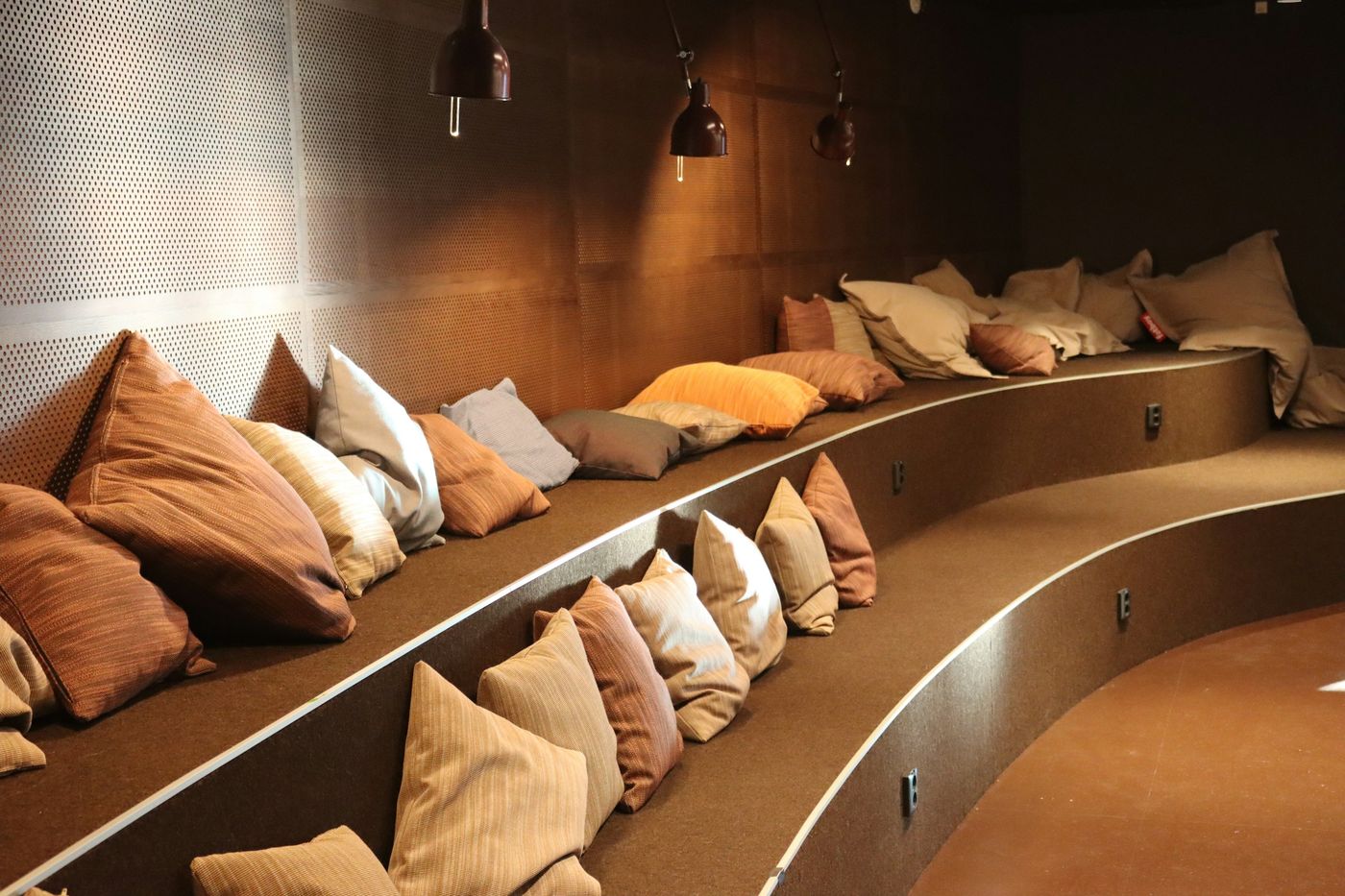
Screen size isn't chosen from a chart. It depends on viewing distance, seating, room dimensions and lighting conditions, and we work it out for each room during design.
4. Don't skip acoustics
Acoustics are often the most underestimated part of a theater. Hard surfaces reflect sound and can make dialogue muddy and bass uneven. Acoustic treatments, selected and positioned based on the room and speaker layout, keep sound clear and balanced at every seat.
In a smaller room, this matters even more, because every seat sits closer to the walls. Treatments can be designed to blend into the décor with fabric panels, wall finishes or even a star ceiling.
5. Choose the display for the room
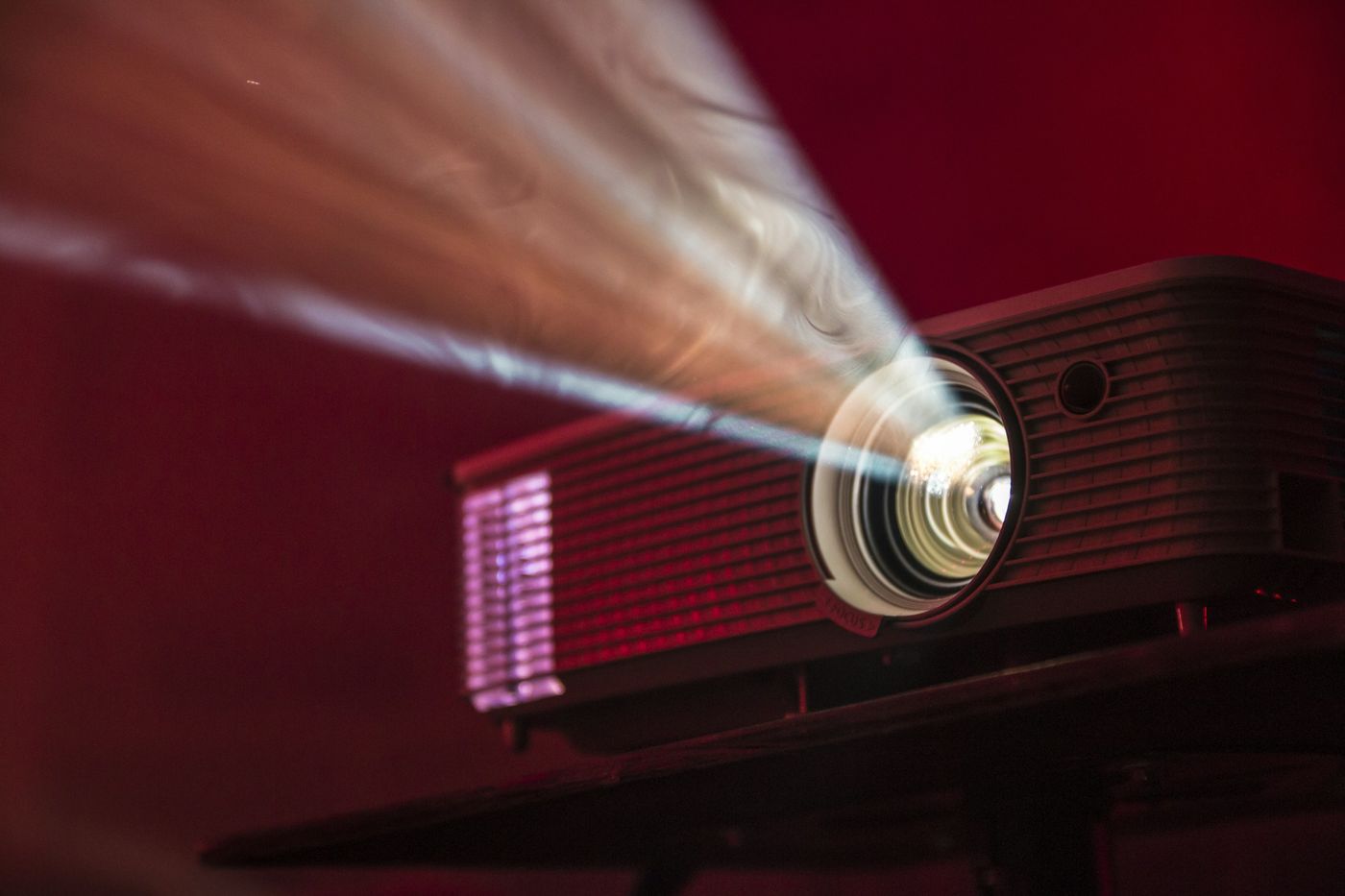
Projector and screen or large flat-panel display? The right choice depends on room size, viewing distance, ambient light and how the room will be used. Projection suits dedicated rooms with good light control. Large displays can make more sense in rooms that also get daytime use. Either way, the screen and display should be chosen together to keep brightness, contrast and color consistent.
6. Layer the lighting
Lighting makes a theater comfortable. Dimmable ambient light, low-level path lighting, accents and optional details such as a star ceiling all play a role, and scenes tie them together. Our article on home theater lighting goes deeper.
7. Make control simple
A theater should be easy for anyone in the family to use. One remote, touch panel or app should turn on the system, choose what to watch, dim the lights and close the shades. Scenes are created around how the room is used, so a single press gets the whole room ready.
8. Calibrate and support
Once everything is installed, audio and video should be calibrated to the actual room so the system performs as designed. After that, ongoing support keeps it that way as equipment, sources and software change over time.
Small room, big experience
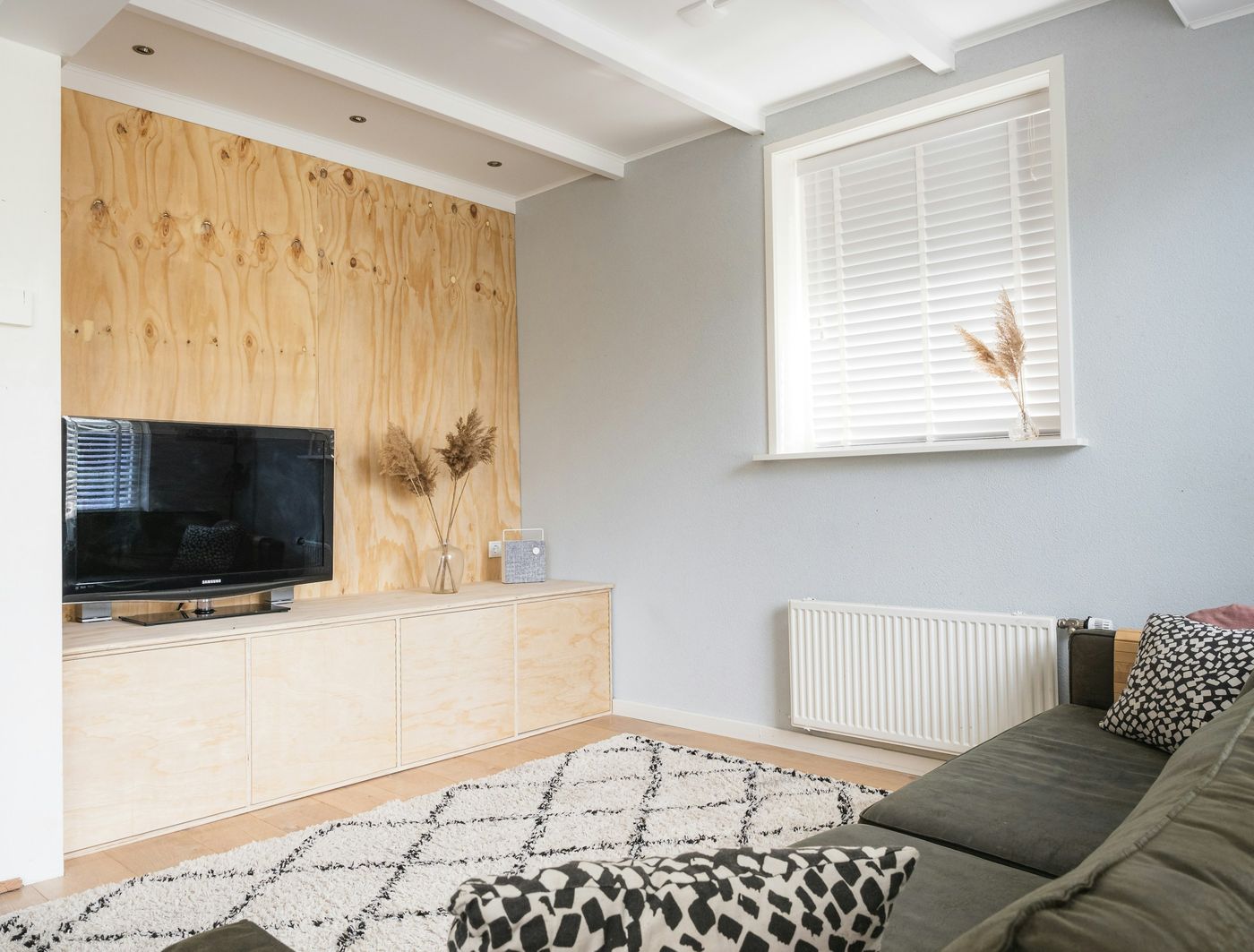
If you don't have space for a dedicated theater, a well-designed media room or living space can still deliver an impressive experience. Speakers can hide in walls and ceilings, displays can blend into the décor and lighting can transform the room with one touch. Our Connected Living tour shows how theater-quality entertainment can work in a main living area.
Start the conversation
Whether you have a large dedicated room or a modest space to work with, careful planning makes the difference. Book My Free Consultation and we'll help you design a theater that performs beautifully in the space you have.
