
Home Theater Lighting: Five Layers That Make the Room Work
The screen gets the attention, but lighting decides how a home theater feels. Here are the five layers we plan into every theater and media room, and how one-touch scenes tie them together.
A great home theater is often described in terms of screen size and speakers. Spend an evening in one, though, and you notice something else: how the light behaves. A room that goes from bright to pitch black in one jump is uncomfortable. A room where light fades gently, the aisle stays visible and nothing glares off the screen feels like a real cinema.
At SounDesign, lighting is planned with the rest of the home theater, not added once the drywall is up. These are the five layers we think about in every theater and media room.
1. Dimmable ambient light
Ambient light is the general illumination you use when you walk in, set up a movie night or clean up afterward. In a theater it has to do two jobs: be bright enough to be useful, and dim smoothly to almost nothing when the film starts.
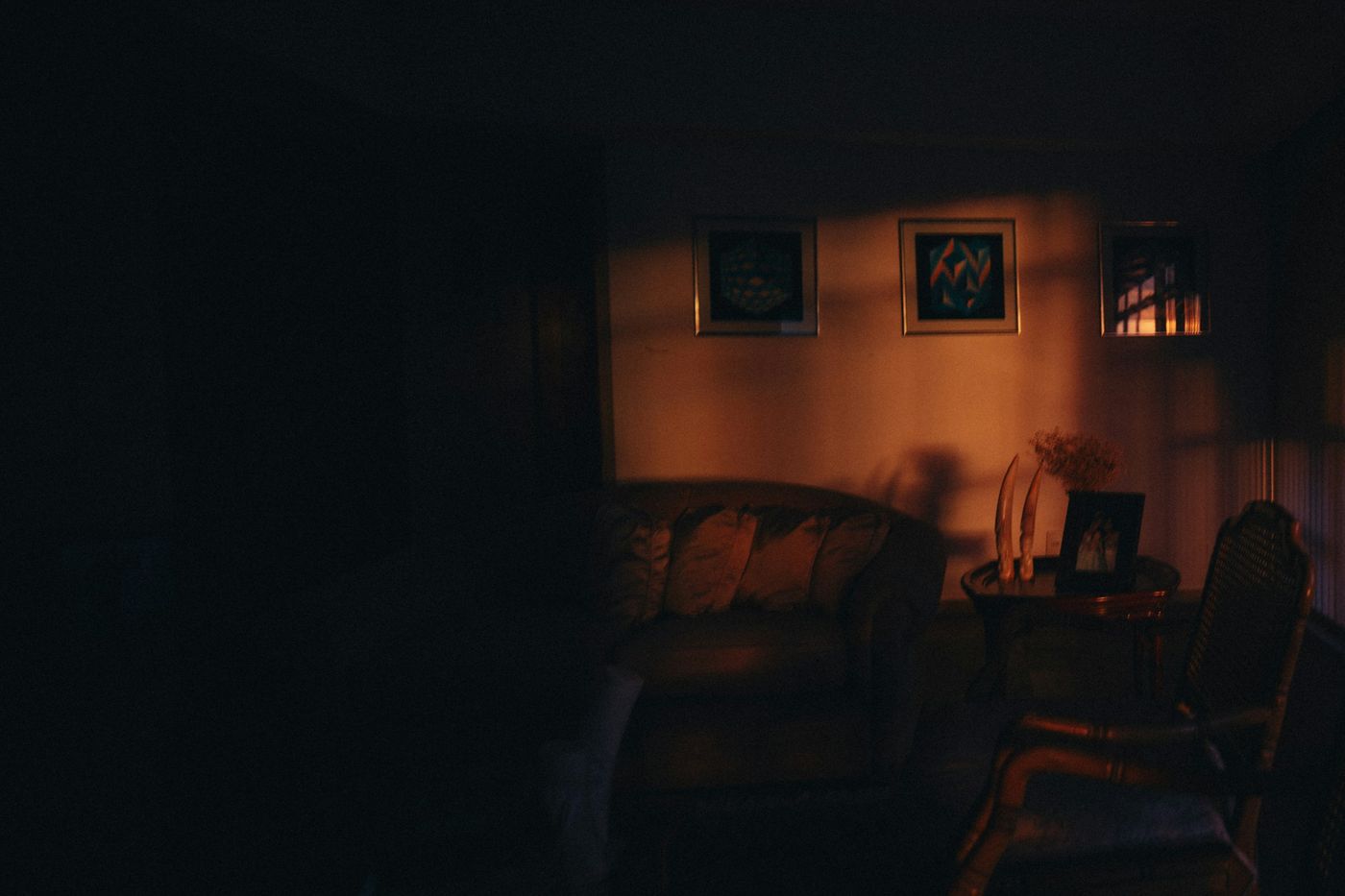
Recessed downlights and cove lighting are the usual tools. Fixture placement matters more than you might expect. Lights positioned too close to the screen wash out the picture, so we lay out the ceiling with the screen and seating plan in hand. Quality dimming matters too. Cheap dimmer and fixture combinations can flicker or buzz at low levels, which is exactly where a theater spends most of its time.
2. Path and step lighting
Once the movie is playing, people still need to find their seats, step down a riser or slip out for a snack. Low-level path lighting along steps, aisles and seat rows keeps everyone safe without pulling attention from the screen.
These lights are typically kept very low and aimed down at the floor, so they light the path rather than the room. They are also the layer people tend to leave on during a film, which is why they deserve careful placement.
3. Accent and wall lighting
Accent lighting gives the room its character. Wall sconces, lit columns and soft backlighting around a display or video wall add depth before the show and during intermission. A subtle glow behind or around a screen can also make the room feel more finished when the picture is off.
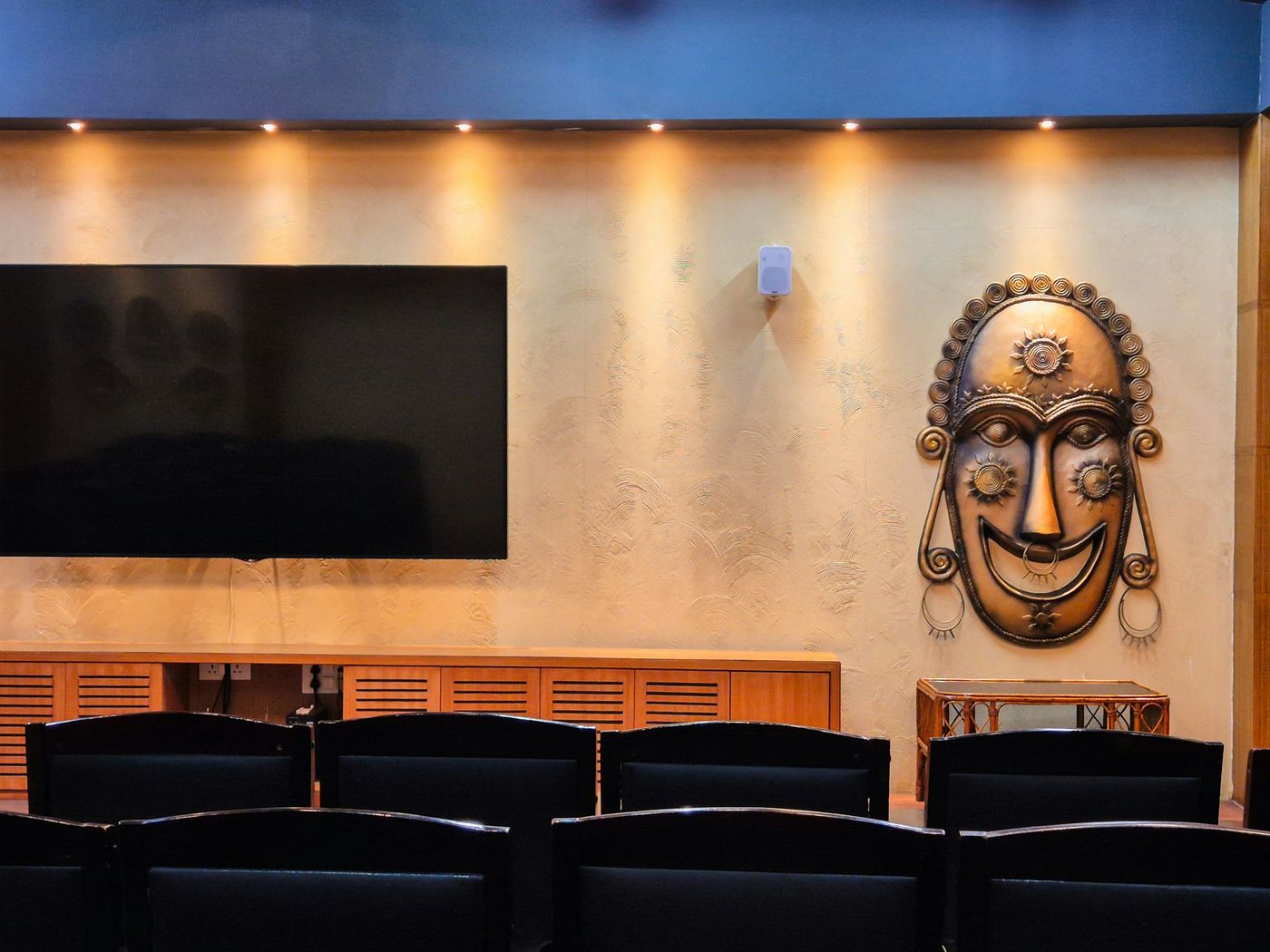
Linear lighting is useful here. Low-profile strips in coves, shelves and architectural reveals add light without visible fixtures. With tunable or color-capable fixtures, the same lights can shift from a warm welcome to a cooler, quieter tone once the movie starts.
4. A star ceiling (optional, but memorable)
Fiber-optic star ceilings are one of the most requested theater features, and for good reason. They give the room a sense of scale and atmosphere while staying dim enough to leave the screen untouched. Brightness and pattern can be adjusted, so the ceiling can sparkle during the pre-show and fade down when the film begins.
Because a star ceiling affects both lighting and acoustics, it should be designed with the rest of the room's treatments rather than chosen from a catalog at the end of the project.
5. Scenes that tie it all together
The layers above only work if they're easy to use. Nobody wants to adjust four separate light switches before pressing play. That's where lighting control comes in.
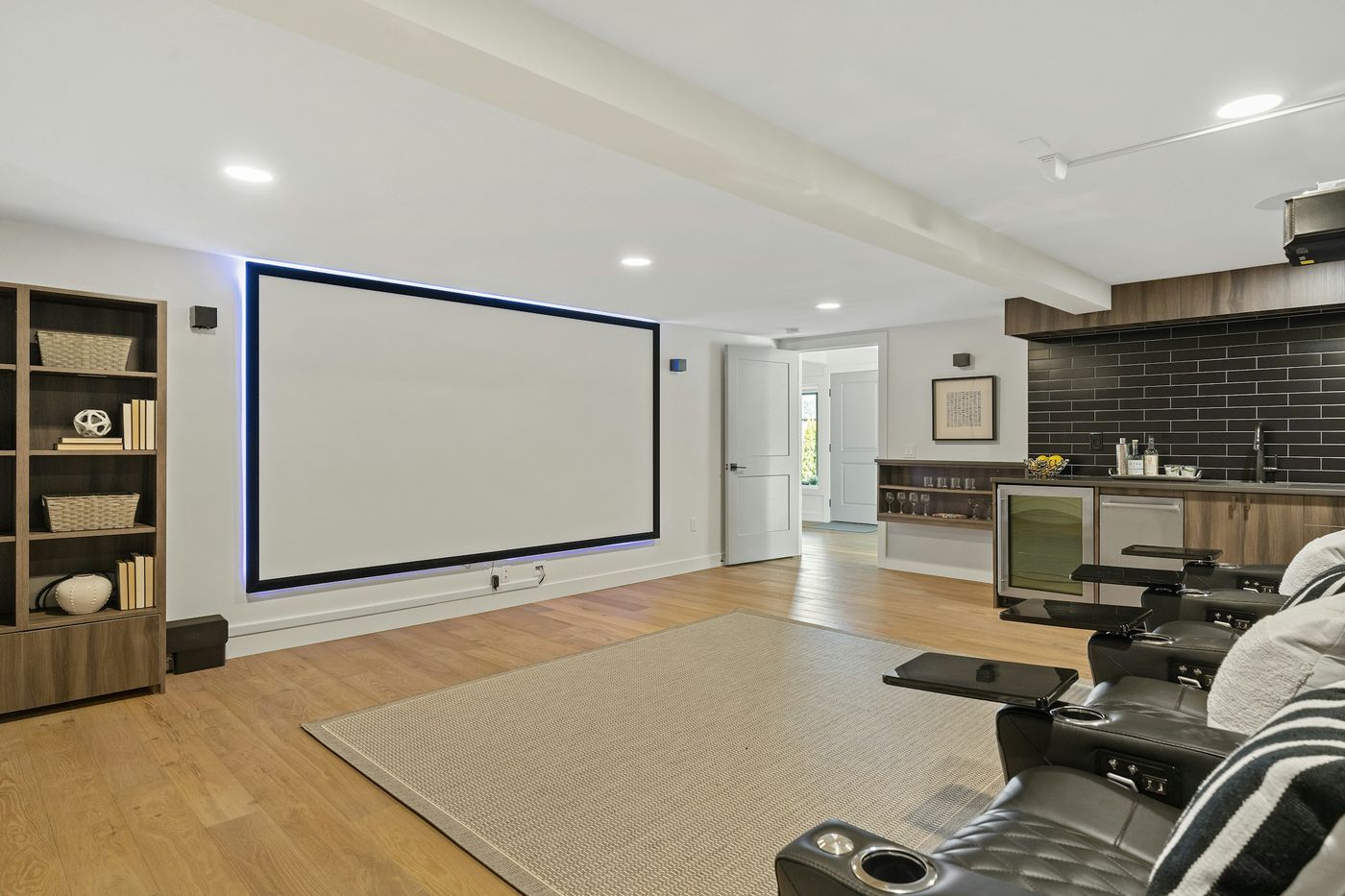
We program scenes around how the room is actually used, for example:
- Welcome: comfortable light levels for finding a seat and picking a movie.
- Movie: ambient lights off, path lights low, accents and star ceiling dimmed.
- Intermission: a gentle rise in light, enough to move around without anyone squinting.
- Cleanup: full brightness for the end of the night.
Scenes can be triggered from a keypad at the door, a remote, a touch panel or an app, and they can respond to the system itself. Pause the movie and the lights rise slightly; press play and they fade back down. Lighting control platforms from Lutron and Crestron handle this kind of coordinated control, and we choose and program the platform to fit the rest of the home.
Don't forget the windows
If the theater or media room has windows, daylight is the enemy of a good picture. Motorized blackout shades or drapery can close automatically as part of the movie scene, so the room is ready for an afternoon matinee as well as a late show. You can learn more on our lighting and shading page.
Plan the lighting with the theater
The best results come when lighting, screen, speakers, seating and control are designed together. That way every fixture has a purpose, nothing glares off the screen and the whole room responds with a single touch.
If you're planning a theater or media room, or want to improve the one you have, we'd be glad to walk through it with you. Book My Free Consultation and our team will help you map out the right lighting plan for your space.
