
Automated Shades for Houston Heat: Styles and Smart Scheduling
Houston sun is relentless, and windows are where much of that heat gets in. Here's how automated shades, in the right style and on the right schedule, help keep your home comfortable without anyone touching a cord.
Anyone who lives in Houston knows how much heat a sunny window can let in. Large glass walls and floor-to-ceiling windows are beautiful, but on a summer afternoon they can turn a living room into a greenhouse and fade the furniture in the process.
Windows play a big role in home energy use. A U.S. Department of Energy guide cites Lawrence Berkeley National Laboratory's estimate that windows are responsible for 25% to 30% of residential heating and cooling energy use (DOE Building America, Energy-Efficient Window Performance and Selection). Shading won't replace good windows, but it gives you control over how much sun reaches your rooms.
Automated shades take that control a step further. Instead of relying on someone to remember to lower the shades before the afternoon sun hits, the home handles it on schedule.
Choosing the right shade style for each room
There's no single best shade. The right choice depends on the room, the view and how much light you want to keep. These are the styles we most often plan into Houston homes:
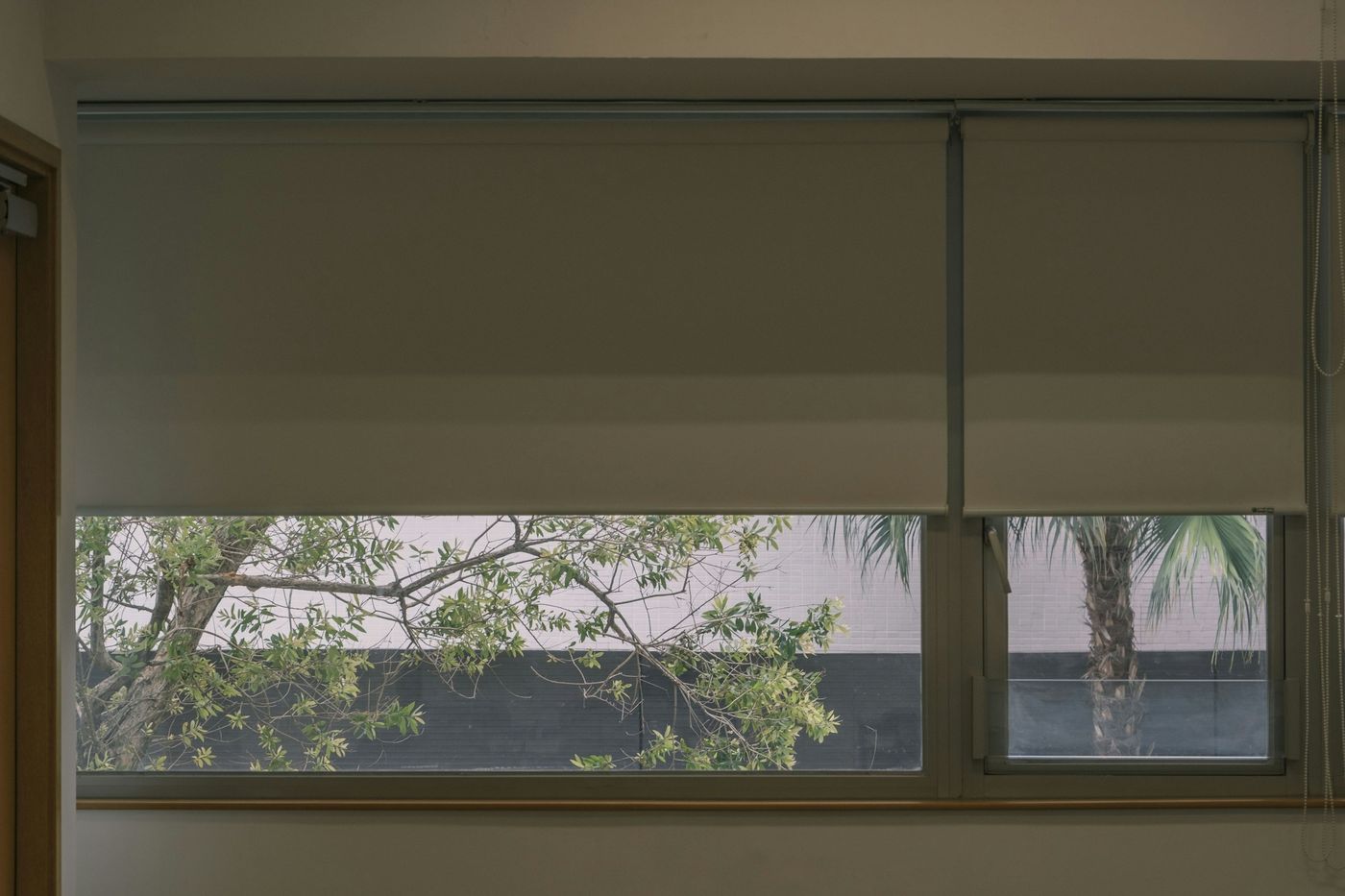
- Roller shades: clean, flat and minimal. They come in fabrics from sheer to blackout and suit modern interiors and large spans of glass.
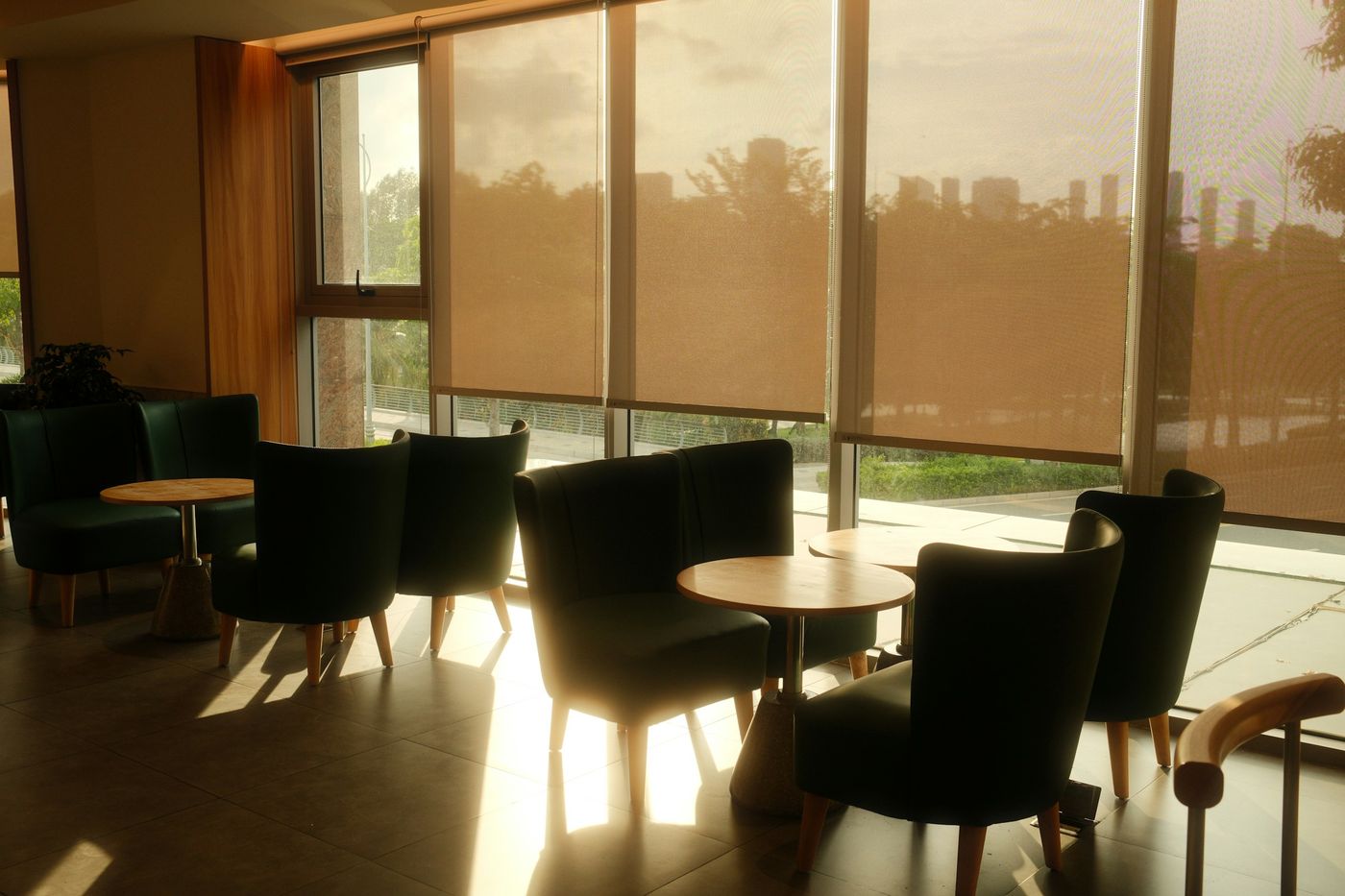
- Solar shades: a type of roller shade designed to cut glare and filter sunlight while preserving the view. They're a natural fit for living areas and kitchens that face the sun.
- Cellular shades: their layered construction adds an insulating layer at the window, which makes them a good choice for bedrooms and rooms where comfort matters most.
- Roman and woven Roman shades: soft folds and natural textures for rooms where the shade is part of the décor.
- Blackout shades: for bedrooms, media rooms and theaters where you want true darkness at any hour.
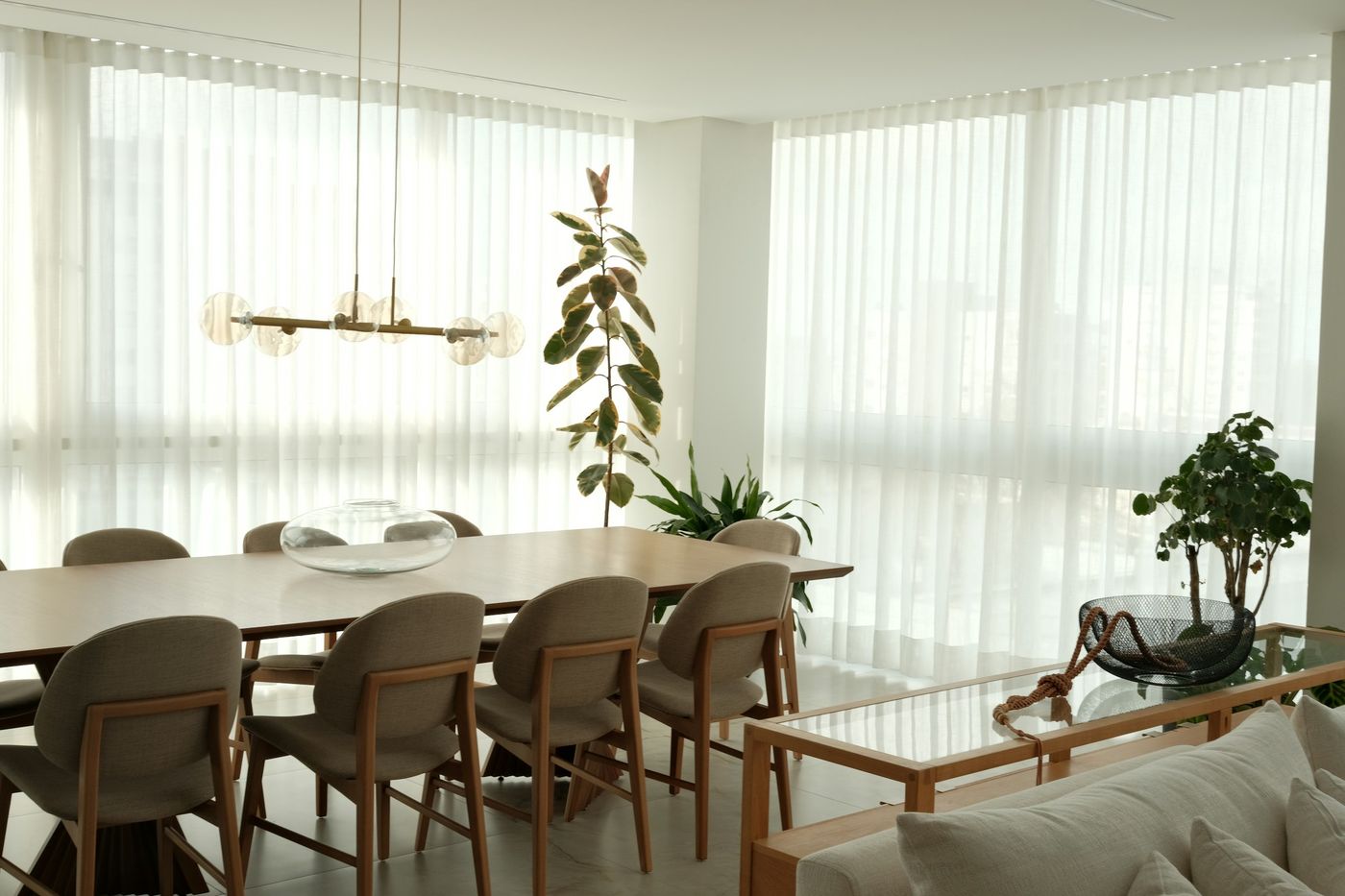
- Horizontal sheers: fabric vanes floating between sheer layers, tilting to filter daylight with a softer look.
- Motorized drapery: drapery tracks can automate new draperies, and in many cases the drapes you already own.
Many rooms benefit from two layers on the same window: a solar shade for daytime glare and a blackout or decorative shade for evening privacy.
Let the schedule do the work
The real advantage of automated shades is that they move when they need to, whether you're home or not. Common schedules include:
- Morning: east-facing shades open to let in gentle light, while shades on the hotter sides of the house stay down.
- Midday and afternoon: south- and west-facing shades lower as the sun swings around, cutting glare and heat before it builds up.
- Evening: shades open to enjoy the sunset, then close for privacy once the lights come on.
- Away: when the house is empty, shades follow a normal pattern so the home looks lived in, and stay closed during the hottest part of the day.
Because shades are part of the wider smart home system, they can work alongside lighting and climate control. When the shades lower in the afternoon, the lights can adjust to balance the room, and the thermostat isn't fighting a flood of sunlight.
Protecting what's inside
Sunlight doesn't just add heat. Over time, UV exposure can fade fabrics, rugs, artwork and wood finishes. Scheduling shades to close during peak sun helps protect the investment you've made in your interiors, without leaving the room dark all day.
Quiet, reliable and easy to use
Good motorized shades are close to silent, line up evenly across a wall of windows and respond the same way every time. We design and install shading systems from Lutron, including Sivoia QS and Palladiom, and also work with Crestron shading, choosing between wired and battery-powered options based on the home and the windows.
Control is simple: a keypad by the door, a touch panel, an app or a voice command. Most of the time, though, you won't need any of them, because the shades have already moved.
Plan shading early
Shading is easiest to get right when it's planned during design or construction. That's when we can make sure there's power where wired shades need it and pockets where shades should disappear, and that the shade layout matches the lighting plan.
If you're building, remodeling or just tired of chasing the sun around the house, we'd love to help. Book My Free Consultation and we'll walk through the windows, the exposures and the right shading plan for your home. You can also explore our lighting and shading options.
