
Home Theater vs. Media Room: Which Is Right for Your Home?
Both a dedicated home theater and a media room can deliver great picture and sound, but they're built for different lives. Here's how they compare and the questions that help you decide.
When homeowners start planning a space for movies, sports and gaming, one of the first questions is whether they need a dedicated home theater or a media room. Both can deliver an outstanding experience. The difference is in how the room is built and how often it does other jobs.
What makes a dedicated home theater
A dedicated home theater is a room designed for one purpose: watching. Everything in it supports the picture and the sound.
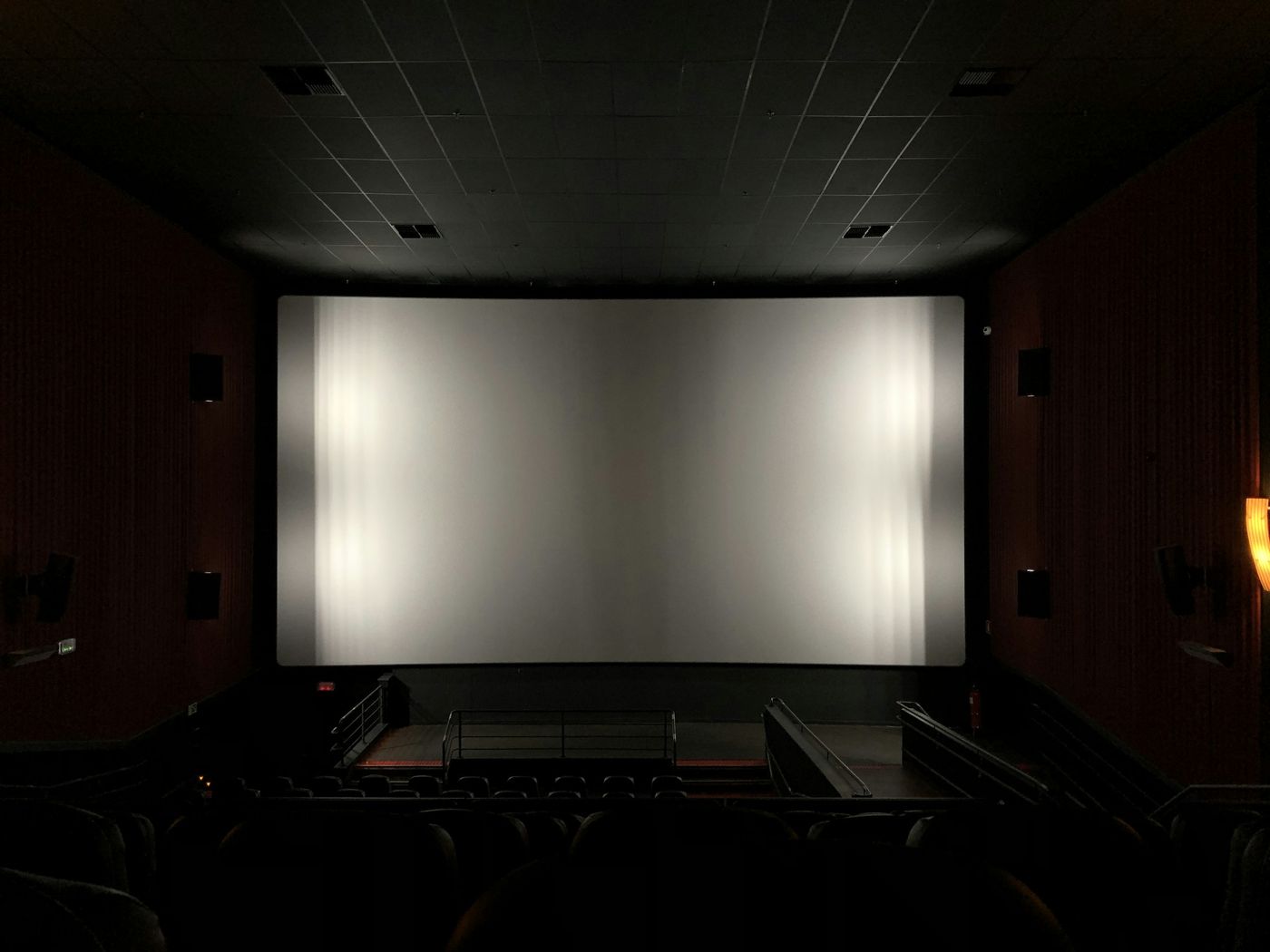
- Light control: few or no windows, dark finishes and layered, dimmable lighting so the screen always looks its best.
- Acoustics: acoustic treatments manage reflections and resonance so dialogue stays clear and effects stay defined in every seat.
- Seating: custom seating, often on risers, planned with the screen and speakers so every seat has a clear view and balanced sound.
- Display: frequently a projector and screen sized to the room, though large displays are an option too.
- Atmosphere: details like fiber-optic star ceilings and themed lighting that make the room feel like an event.
The result is the most immersive experience possible at home. The trade-off is that the room is set aside for viewing, and it needs space and early planning. Our home theater page walks through each element.
What makes a media room
A media room is a multi-purpose space, often the family room, game room or bonus room, that also delivers strong audio and video. It's where the family watches a movie on Friday night, the kids play games on Saturday and everyone gathers to watch the game on Sunday, but it's also where people read, talk and spend everyday time.
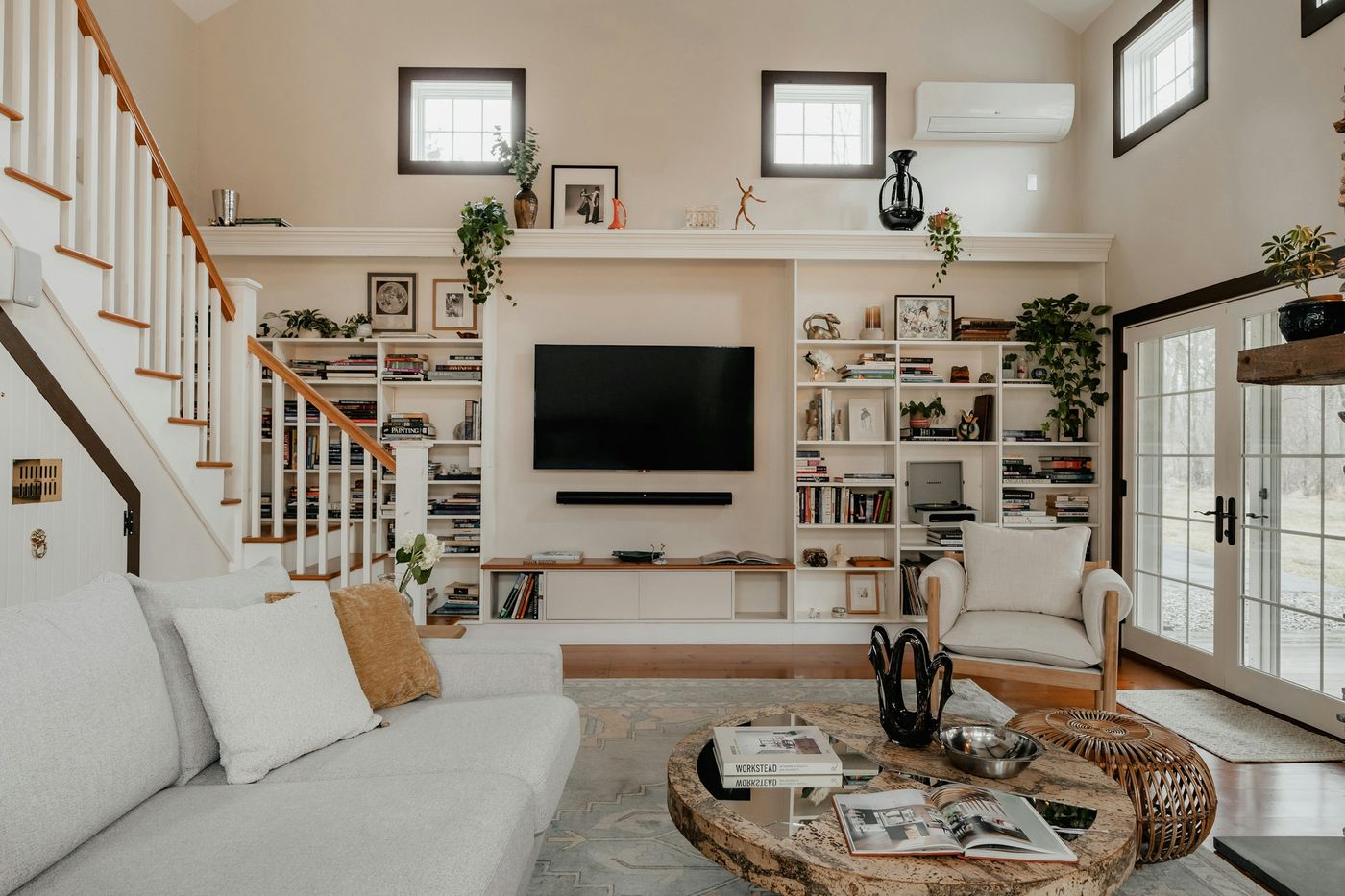
Media rooms are designed to look like comfortable living spaces:
- Hidden or blended technology: in-wall and in-ceiling speakers, TVs that double as framed art or rise from motorized lifts, and equipment kept out of sight.
- Motorized shades: daylight is managed with automated shades or drapery, so the room can be bright for daily life and darker for a movie.
- Flexible lighting: scenes that move between everyday living, entertaining and viewing.
- Simple control: one remote or touch panel to turn on the TV, choose a source and adjust lights and shades.
Because the room serves many purposes, acoustic and lighting choices are balanced against décor and daily use. Done well, a media room still delivers excellent sound and picture without feeling like a theater.
Questions to help you decide
- How often will you watch? If movie nights are a regular ritual and you love the cinema experience, a dedicated theater is worth considering. If viewing is one of many activities in the room, a media room fits better.
- Do you have a room to dedicate? A theater works best in a room without competing uses. If space is limited, a media room makes the most of what you have.
- How much daylight does the room get? Rooms with lots of glass are better suited to a media room with automated shading than a dedicated theater.
- Who will use it? A theater is an event space; a media room is part of everyday family life.
- What's your timeline? A dedicated theater benefits greatly from being planned during design or early construction. A media room can be designed into new construction or added to an existing home.
Either way, plan it as part of the home
Whichever direction you choose, the same principles apply. Picture, sound, lighting, shading and control should be planned together and coordinated with the rest of the house. Systems should be calibrated to the room and easy for everyone to use. See how media and family rooms fit into whole-home control on our Connected Living tour.
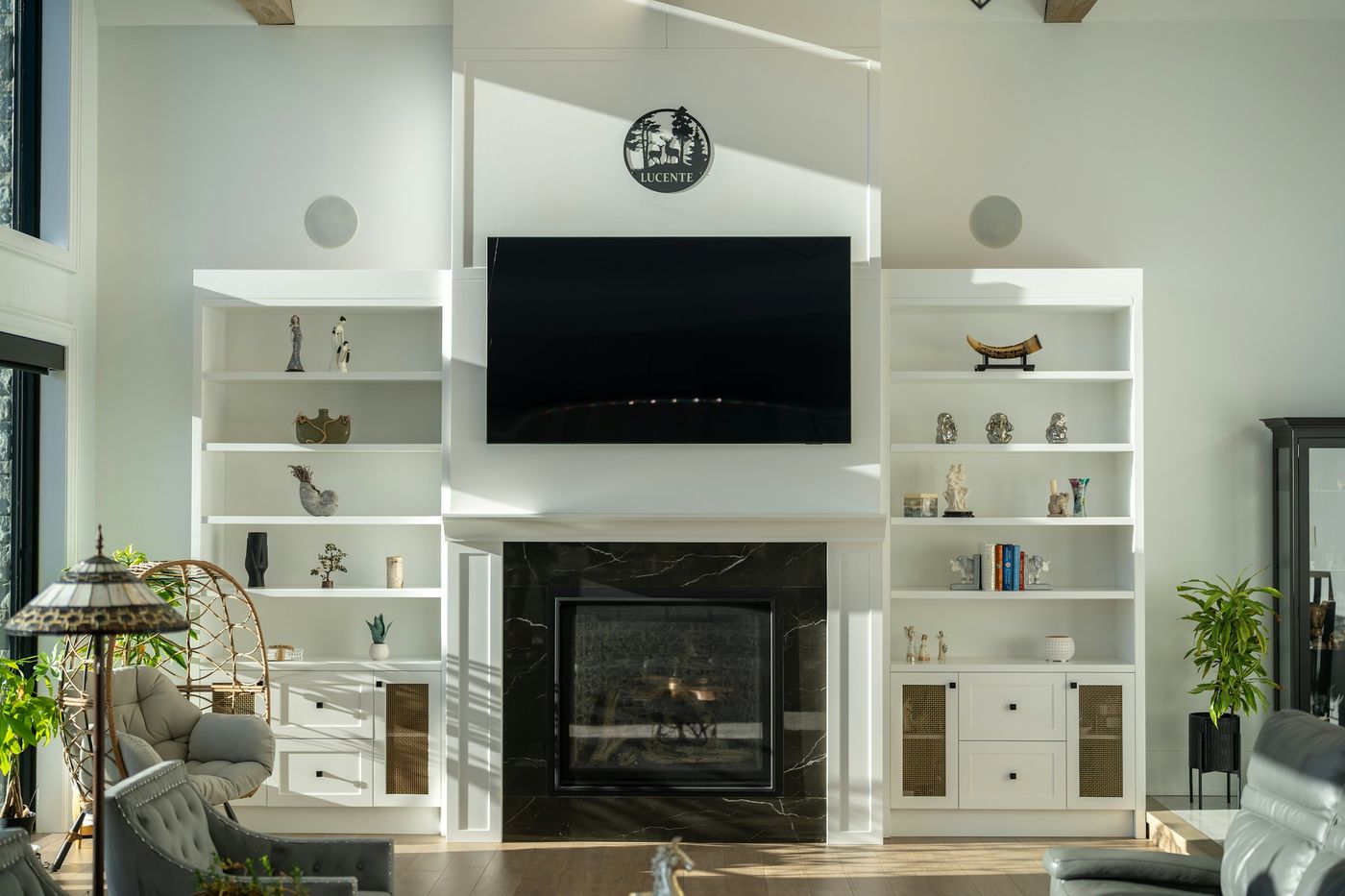
Some homes even have both: a dedicated theater for movie nights and a media room for everyday viewing, controlled from the same system.
Let's find the right fit
If you're weighing a home theater against a media room, we can help you compare options for your space, schedule and goals. For a deeper look at planning either space, read our home theater design tips.
Book My Free Consultation and we'll help you choose and design the room that fits your home.
